
Describe the property
Send the location, symptoms, equipment and access details. State whether the work is a repair, replacement or planned project.
Need duct cleaning in Keswick? Tell us which air ducts, dryer vent or ventilation equipment need attention. A responding provider will confirm coverage and availability before booking.
Get A Free QuoteCompare supply and return cleaning scopes for converted or year-round homes. Ask how negative-pressure equipment and contact brushing will suit the layout, and request photos showing accessible sections before and after.
View scopeConfirm whether the complete route from dryer to exterior hood is included, especially if it is long, bent, or near grade. Ask how the hood will be checked and how airflow will be measured afterward.
View scopeAsk which components are included: blower assembly, evaporator coil, or accessible heat-exchanger surfaces. Equipment design and condition determine whether components can be removed or cleaned in place.
View scopeIdentify the HRV core, screens, condensate paths, and separate bathroom or range exhaust runs. Confirm which components and exterior caps are included, and record filter sizes for future maintenance.
View scopeDescribe the odour and ask whether its source should be investigated and ducts cleaned before treatment. Verify the product, intended use, label directions, and written application information.
View scopePhotograph accessible leaks, damaged boots, or crushed flex duct. Ask how defects will be located and whether the scope specifies return-side joints, replacement materials, fastening, and sealing.
View scopeList duct systems, make-up air equipment, rooftop units, access limits, and operating hours. Request separate scopes and confirm what photographs and written records will be provided for the property file.
View scopeFor a commercial duct-cleaning project in Keswick, gather system details, occupied hours, access requirements, and the records your property file requires. If the building has make-up air equipment, rooftop units, or several tenant areas, ask for each system to be identified and scoped separately. Compare proposals for access, cleaning methods, timing, documentation, and exclusions. An after-hours or seasonal schedule may suit some businesses, but availability and building constraints should be confirmed before planning.
Compare supply and return cleaning scopes for converted or year-round homes. Ask how negative-pressure equipment and contact brushing will suit the layout, and request photos showing accessible sections before and after. Confirm whether the complete route from dryer to exterior hood is included, especially if it is long, bent, or near grade. Ask how the hood will be checked and how airflow will be measured afterward. Ask which components are included: blower assembly, evaporator coil, or accessible heat-exchanger surfaces. Equipment design and condition determine whether components can be removed or cleaned in place.
Identify the HRV core, screens, condensate paths, and separate bathroom or range exhaust runs. Confirm which components and exterior caps are included, and record filter sizes for future maintenance. Describe the odour and ask whether its source should be investigated and ducts cleaned before treatment. Verify the product, intended use, label directions, and written application information.
Photograph accessible leaks, damaged boots, or crushed flex duct. Ask how defects will be located and whether the scope specifies return-side joints, replacement materials, fastening, and sealing. List duct systems, make-up air equipment, rooftop units, access limits, and operating hours. Request separate scopes and confirm what photographs and written records will be provided for the property file.
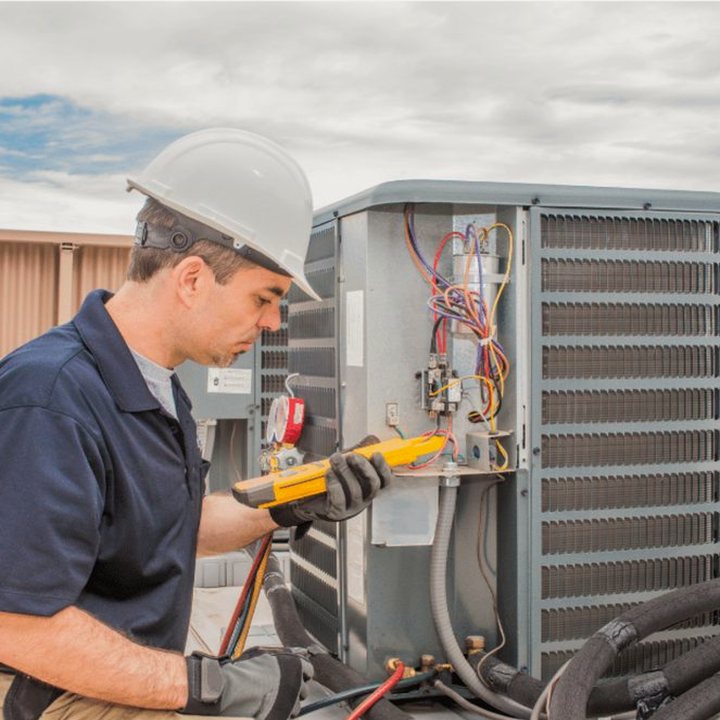
For a dryer-vent project in Keswick, check the appliance connection, the route to the exterior, and the condition of the outside hood. Long runs, low terminations, bends, screens, and visible nesting material can change the work required. Ask whether the proposed scope clears the complete path from dryer to hood, including the termination, and how airflow will be checked afterward. Photos of the route and hood help clarify access and identify restrictions to discuss.
Explore this serviceSend the location, symptoms, equipment and access details. State whether the work is a repair, replacement or planned project.
The request is reviewed so the responding provider can clarify the work, property access and service coverage.
Agree the provider identity, qualifications, written scope, pricing and visit window directly. Sending a form does not confirm an appointment.
If the property has make-up air equipment, rooftop units, or multiple duct systems, list each one and request a separate description of inspection and cleaning. Their access and components may differ from ordinary duct runs. Ask how pricing relates to the documented scope and what conditions would require approval before additional work, so changes are discussed rather than presumed.
If a converted cottage has short, irregularly routed, or modified runs, photograph accessible ductwork and note additions or renovations. Ask how the proposed equipment will reach each section and whether brushing will be performed under negative pressure. The layout can change the access plan and the portions that can be cleaned, so a whole-home scope should identify exceptions.
If ductwork is concealed behind finishes, beneath an addition, or in a crawlspace, photograph only safely accessible areas and note known renovations. Ask what inspection or testing will locate leaks before repairs are specified. Unusual routes and hidden joints can affect access, so the proposal should identify observed locations and distinguish confirmed defects from areas that could not be inspected.
If an odour appears after a property has been closed, record when it starts, which rooms are affected, and whether there are visible signs of moisture or pests. Those details can guide inspection, but do not establish a duct source. Ask what evidence supports treatment and whether other likely sources should be checked before choosing a scope.
If lint is visible at the connection or hood, photograph it and note how often the vent has been cleaned. Accumulated lint can restrict airflow and is combustible, but a photo alone cannot establish the condition of the entire run. Ask how the duct will be cleared and whether the scope includes the dryer connection and exterior termination.
Use the form to describe the property, the symptoms and the work requested. For Sutton, Jackson's Point, Pefferlaw, Udora, include your postal code so local coverage can be checked.